What Is Last Mile Delivery?

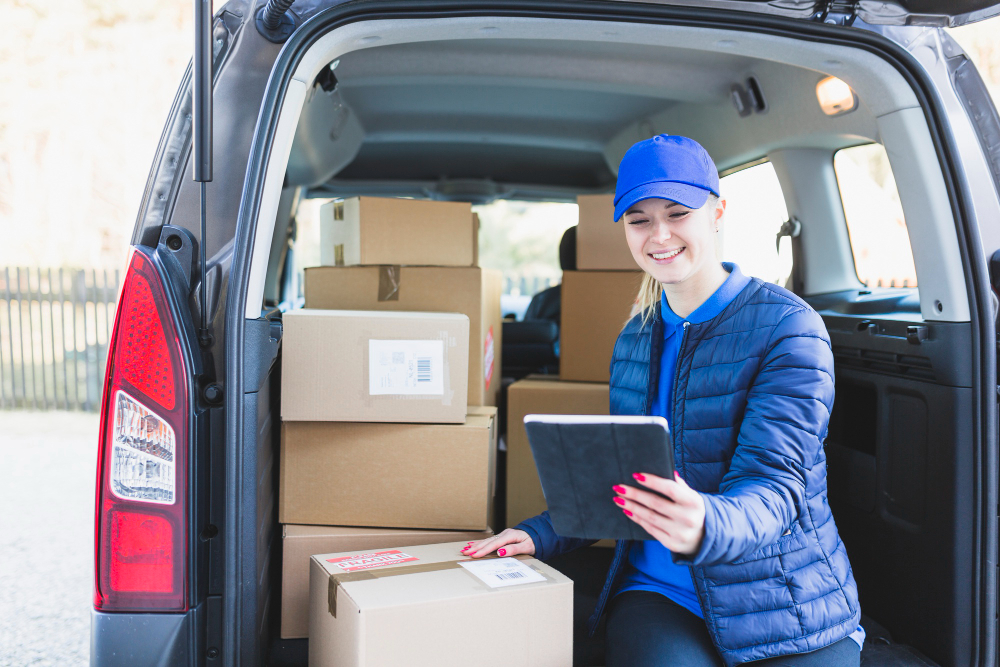
Last mile delivery refers to the final leg of a shipment's journey — from the distribution hub or sorting center to the customer's doorstep. Despite being the shortest distance in the supply chain, the last mile is consistently the most expensive, most complex, and most failure-prone stage of delivery.

The term "last mile" comes from telecommunications, where connecting the final stretch to individual homes was the costliest part of building a network. In logistics, the analogy holds perfectly: while trunk-line transportation (warehouse to warehouse) can be optimized through consolidation, the last mile involves individual stops at unique addresses, each with its own access challenges, time constraints, and customer expectations.

Last mile delivery accounts for 53% of total shipping costs on average. For eCommerce businesses, it's often the single largest operational expense. Yet it's also where customer experience is won or lost — a smooth last mile delivery creates loyal customers, while a failed or delayed one drives them straight to competitors.

The global last mile delivery market was valued at $131.5 billion in 2023 and is projected to reach $288.4 billion by 2031, growing at a CAGR of 10.4%. This explosive growth is driven by the eCommerce boom, rising customer expectations for same-day and next-day delivery, and the expansion of delivery services into emerging markets across Africa, the Middle East, and South Asia.

Why Last Mile Delivery Is So Challenging

The Cost Problem

Last mile delivery is expensive because of fundamental inefficiencies:

  • Low drop density — Each driver makes individual stops spread across a wide area, unlike trunk transportation where one truck carries hundreds of parcels between two points

  • Failed deliveries — When a customer isn't home or provides an incorrect address, the entire delivery cost is wasted, and a second attempt doubles it

  • Urban congestion — Traffic, parking limitations, and access restrictions in cities slow drivers down significantly

  • Rural distances — In rural areas, drivers may travel long distances between stops, making each delivery disproportionately expensive

  • Customer time windows — Offering specific delivery time slots reduces route flexibility and optimization potential

The average cost of a last mile delivery ranges from $5-10 in developed markets to $1-3 in emerging markets. Failed delivery attempts add $10-15 per reattempt in lost driver time, fuel, and customer service costs.

The Customer Expectation Challenge

Modern customers have been conditioned by Amazon Prime, Uber Eats, and similar services to expect:

Speed

Same-day or next-day delivery is becoming the baseline, not a premium

Visibility

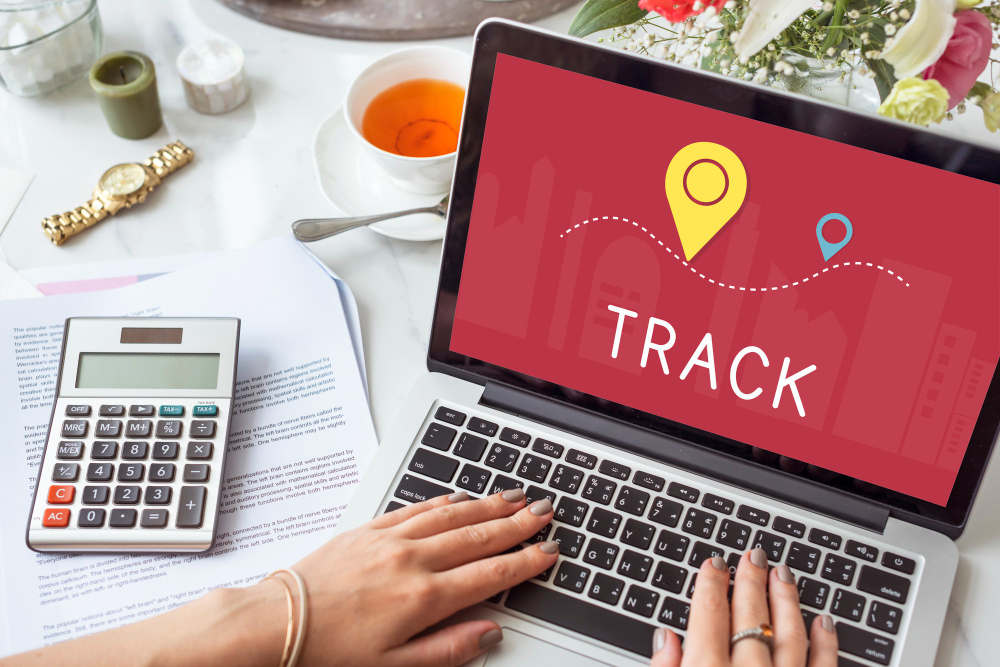
Real-time tracking showing exactly where their package is

Flexibility

Ability to reschedule, redirect, or choose delivery preferences

Communication

Proactive notifications at every stage

Reliability

Deliveries that arrive on time, every time

Meeting these expectations at scale, while keeping costs manageable, is the central tension of last mile logistics.

The Scalability Dilemma

As delivery volumes grow, last mile operations don't scale linearly. Doubling your orders doesn't mean simply doubling your drivers:

  • Route complexity increases exponentially with more stops

  • Dispatch coordination becomes harder to manage manually

  • Driver quality becomes inconsistent as you hire rapidly

  • Customer service load grows faster than delivery volume

  • COD reconciliation becomes a nightmare without automation

This is why technology — specifically last mile delivery software — becomes essential beyond a certain scale threshold.

Last Mile Delivery Models

Hub-and-Spoke Model

The most common model for courier and logistics companies:

  • Parcels arrive at a central hub (warehouse or distribution center)

  • Parcels are sorted by delivery zone

  • Each zone's parcels are loaded onto a delivery vehicle

  • Drivers complete their assigned routes within their zone

  • Undelivered parcels return to the hub for reattempt

Best for: Established courier companies, high-volume operations, urban areas

Direct-to-Consumer (D2C) Fulfillment

eCommerce businesses shipping directly from their warehouse or store:

  • Orders picked and packed at the fulfillment center

  • Shipped via own fleet or third-party courier

  • Single-origin, multi-destination deliveries

Best for: eCommerce brands with their own warehousing, Shopify/WooCommerce stores

Crowdsourced Delivery

Leveraging independent contractors or gig workers for deliveries:

  • Orders are posted to a pool of available drivers

  • Drivers accept deliveries based on location and preference

  • Flexible capacity that scales with demand

Best for: On-demand delivery, food delivery, peak season overflow

Micro-Fulfillment / Dark Stores

Positioning inventory in small urban warehouses close to customers:

  • Inventory stored in dense urban locations

  • Short delivery distances (1-5 km)

  • Enables 30-minute to 2-hour delivery windows

Best for: Grocery delivery, quick commerce, high-frequency items

Hybrid Models

Most successful delivery operations combine multiple models:

  • Hub-and-spoke for standard deliveries

  • Crowdsourced fleet for peak periods

  • Micro-fulfillment for express/same-day orders

  • Locker networks for customer pickup

Last Mile Delivery Optimization Strategies

Route Optimization

The single highest-impact optimization for last mile delivery. AI-powered route optimization considers:

  • Multi-stop sequencing — finding the shortest path connecting all delivery points (a variation of the Traveling Salesman Problem)

  • Real-time traffic data — adjusting routes based on current road conditions

  • Time windows — respecting customer-requested delivery slots

  • Vehicle constraints — capacity limits, vehicle types, access restrictions

  • Priority ordering — urgent deliveries first, standard deliveries optimized around them

  • Dynamic rerouting — adjusting in real-time when conditions change

Impact: Route optimization typically reduces total driving distance by 20-30% and increases deliveries per driver per day by 15-25%.

Smart Dispatch & Assignment

Intelligent dispatch goes beyond simply assigning the nearest driver:

  • Workload balancing — distributing deliveries evenly across available drivers

  • Skill matching — assigning specialized deliveries (fragile, heavy, VIP) to appropriate drivers

  • Predictive assignment — pre-assigning based on anticipated order patterns

  • Real-time rebalancing — shifting assignments as conditions change throughout the day

Address Verification & Geocoding

Incorrect addresses are one of the top causes of delivery failures:

  • Auto-complete — suggest verified addresses during order entry

  • Geocoding — convert addresses to precise GPS coordinates

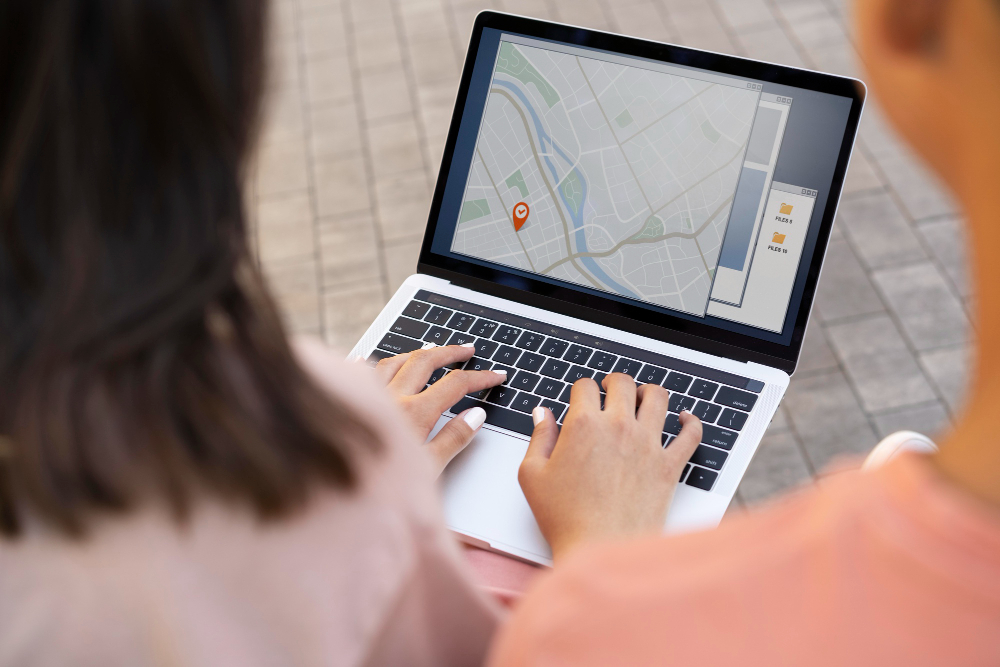
  • Pin-drop — let customers drop a pin on a map for exact locations

  • Address validation API — verify addresses against postal databases

  • Driver notes — capture and store delivery location notes (gate code, building entrance, etc.)

Customer Communication & Notifications

Proactive communication reduces failed deliveries and customer complaints:

  • Order confirmation — immediately after order creation

  • Out for delivery — when driver begins the route

  • ETA notification — 30-60 minutes before arrival with live tracking link

  • Arrival alert — when driver is at the location

  • Delivery confirmation — with proof of delivery

  • Failed attempt notification — with reschedule options

Channels: SMS, email, WhatsApp (especially in Middle East, Africa, South Asia), push notifications

Impact: Proactive notifications reduce "where is my package?" calls by 30-50%.

Proof of Delivery (POD) Optimization

Digital POD eliminates disputes and speeds up resolution:

  • Photo POD — most versatile, works for all delivery types

  • e-Signature — strongest legal proof

  • OTP verification — ideal for high-value or COD deliveries

  • Contactless delivery — photo + GPS stamp for leave-at-door deliveries

  • Video POD — for high-value items where extra documentation is needed

Failed Delivery Management

Reducing failed deliveries is the fastest way to cut last mile costs:

Prevention:

  • Verify addresses before dispatch

  • Send pre-delivery notifications with reschedule options

  • Offer flexible time windows

  • Enable customer communication with driver

Recovery

  • Instant reattempt scheduling

  • Alternative delivery options (neighbor, safe place, locker)

  • Customer self-service rescheduling

  • Automated follow-up for recurring failures

Target: Reduce first-attempt failure rate below 5% (industry average is 8-12%).

COD Optimization

For markets where cash on delivery is prevalent:

  • Digital COD tracking — record exact collection amounts per delivery

  • Automated reconciliation — match collections against expected amounts daily

  • Driver settlement workflows — clear, auditable cash handling processes

  • Partial payment handling — manage situations where customer pays partial amount

  • Encourage digital payment — offer mobile payment options to reduce cash handling

  • COD limit management — set maximum COD amounts per driver

Impact: Automated COD management recovers 2-5% of revenue that's lost through manual processes.

Capacity Planning & Demand Forecasting

Match your delivery capacity to actual demand:

  • Historical analysis — identify daily, weekly, and seasonal patterns

  • Event-based planning — prepare for sales events, holidays, promotions

  • Dynamic fleet sizing — scale drivers up/down based on forecasted volumes

  • Zone-based planning — allocate resources by delivery zone based on demand density

Last Mile Delivery Technology Stack

Core Platform: Courier Management Software

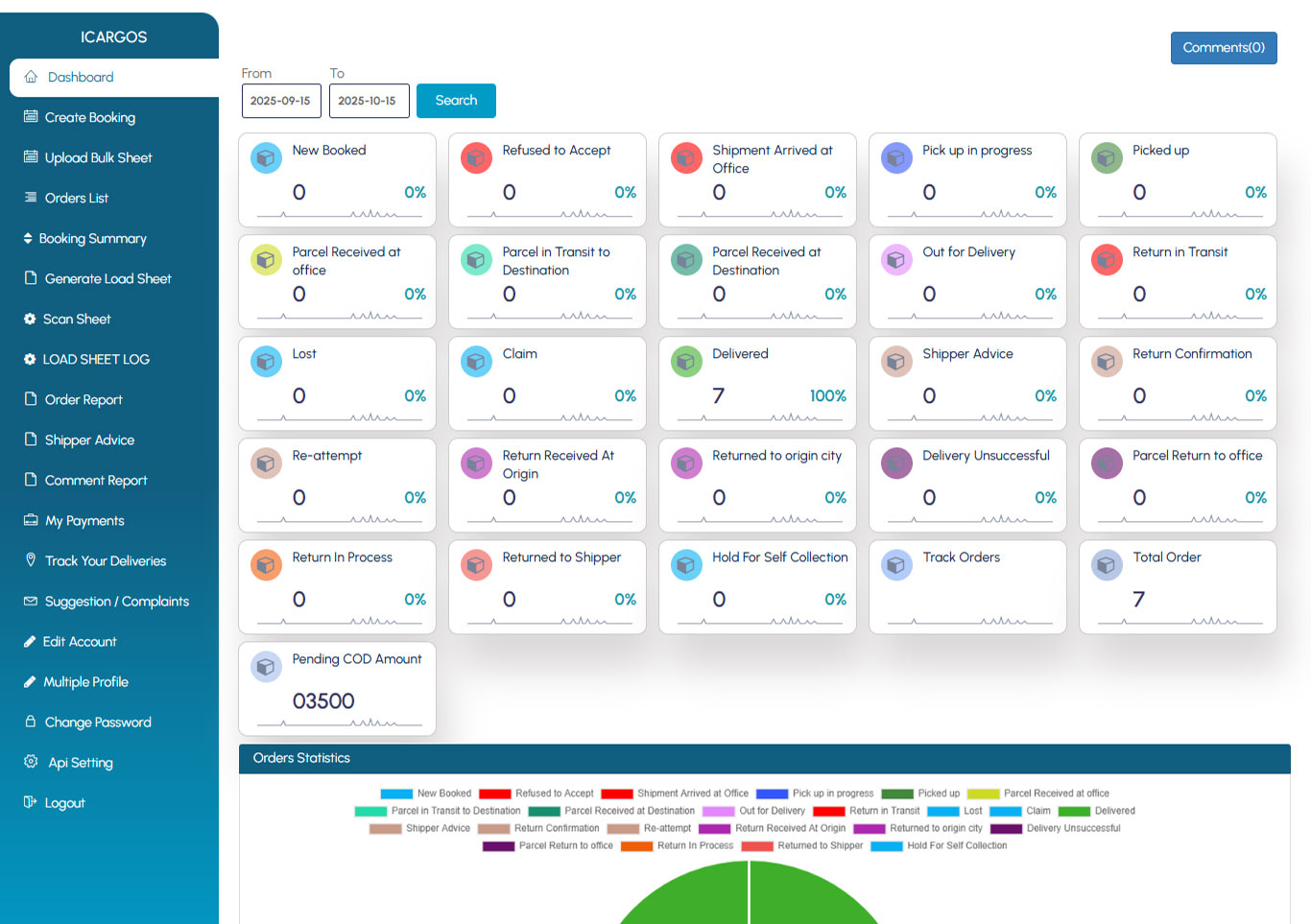
The central system managing your entire last mile operation. Key capabilities:

  • Order management and processing

  • Automated dispatch and driver assignment

  • Route optimization

  • Real-time tracking and monitoring

  • Proof of delivery capture

  • COD management

  • Reporting and analytics

Recommended: iCargos — complete courier management with COD management, WhatsApp integration, driver app, and warehouse management. Starting from €12/month with a €299 one-time setup.

Driver App

The mobile application used by delivery drivers:

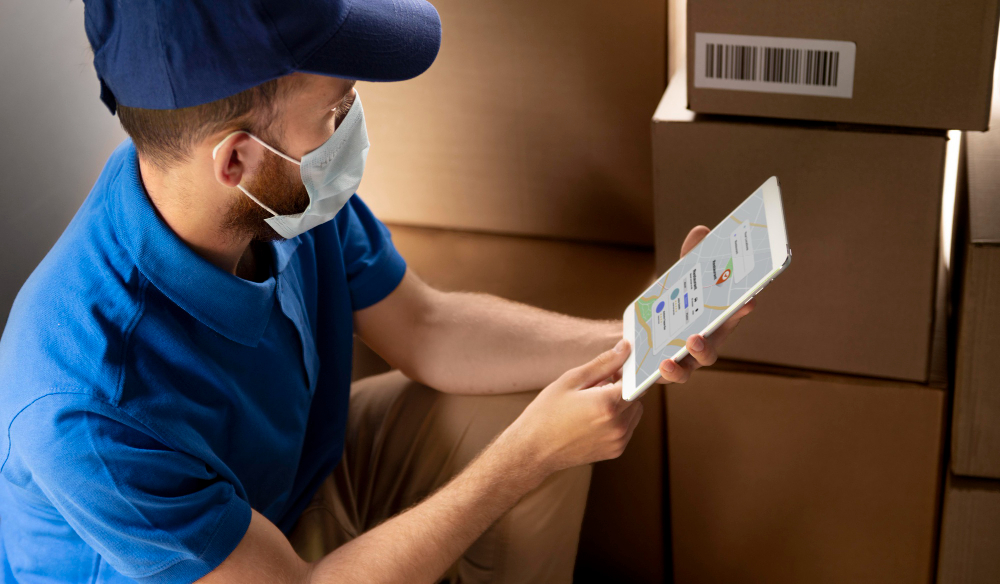
  • Turn-by-turn navigation

  • Task management

  • POD capture

  • COD settlement reports

  • COD collection recording

  • Offline capability

  • Customer communication

Customer Tracking Portal

Customer-facing tracking interface:

  • Live map with driver location

  • ETA countdown

  • Delivery status timeline

  • Communication options

  • Feedback/rating system

Integration Layer

APIs connecting the delivery platform to:

  • eCommerce platforms (Shopify, WooCommerce)

  • ERP and accounting systems

  • Payment gateways

  • Communication platforms (WhatsApp, SMS)

  • Mapping services (Google Maps, OpenStreetMap)

Last Mile Delivery Metrics You Must Track

Operational KPIs

Metric What It Measures Target
First Attempt Delivery Rate (FADR) % of deliveries completed on first try >92%
On-Time Delivery Rate % of deliveries within promised window >95%
Deliveries Per Driver Per Day Driver productivity 40–80 (varies by area)
Average Delivery Time From dispatch to POD <45 minutes (urban)
Cost Per Delivery Total last mile cost / deliveries Varies by market
Vehicle Utilization % of capacity used per route >75%

Customer KPIs

Metric What It Measures Target
Customer Satisfaction (CSAT) Post-delivery satisfaction score >4.5/5
Net Promoter Score (NPS) Likelihood to recommend >50
Tracking Page Views Customer engagement with tracking >80% view rate
Support Tickets Per 100 Deliveries Delivery-related complaints <3

Financial KPIs

Metric What It Measures Target
Revenue Per Delivery Average income per completed delivery Market dependent
COD Collection Rate % of COD collected vs expected >99%
Fuel Cost Per Delivery Fuel expense per completed delivery Track trend
Failed Delivery Cost Total cost of unsuccessful attempts Minimize

Last Mile Delivery in Emerging Markets

Middle East (UAE, Saudi Arabia, Kuwait, Qatar)

  • COD dominance: 40-60% of deliveries are COD

  • Address challenges: Many areas lack structured addressing systems

  • Climate considerations: Extreme heat affects driver productivity and package integrity

  • Peak seasons: Ramadan, National Days, and year-end holidays

  • WhatsApp communication is standard for customer updates

  • Multi-language requirements: Arabic and English minimum

Africa (Nigeria, Kenya, South Africa, Egypt)

  • Infrastructure challenges: Road quality, traffic congestion, and addressing systems vary widely

  • Mobile-first: Feature phones and basic smartphones are common among drivers

  • Cash economy: COD rates exceed 70% in many markets

  • Security considerations: Driver safety and package security

  • Rapid growth: African eCommerce is growing 25%+ annually, creating massive last mile demand

  • Motorcycle/bicycle delivery common in congested urban areas

South Asia (India, Pakistan, Bangladesh)

  • Massive scale: India alone has 4-5 billion deliveries annually

  • Dense urban + vast rural: Extreme variation in delivery conditions

  • COD prevalence: 60-70% of eCommerce deliveries

  • Price sensitivity: Cost per delivery must be extremely low

  • Regional complexity: Multiple languages, regulations, and customs

  • Cash reconciliation is critical and complex

Opportunities in Emerging Markets

Courier businesses in emerging markets often face less software competition than in North America or Europe. Many still operate manually, creating a massive opportunity for companies that adopt last mile delivery technology early:

  • First-mover advantage in digitizing operations

  • Higher margins through efficiency gains

  • Data-driven differentiation vs manual competitors

  • Scalability that manual processes can't match

The Future of Last Mile Delivery

Trends Shaping 2026 and Beyond

  • AI-Powered Everything — From demand prediction to dynamic routing to automated customer service

  • Electric Vehicles — Reducing fuel costs and meeting sustainability mandates

  • Autonomous Delivery — Drones and robots for specific use cases (still limited in 2026)

  • Instant Commerce — Sub-2-hour delivery expectations becoming mainstream

  • Sustainability Pressure — Carbon-neutral delivery commitments from major brands

  • Micro-Fulfillment Growth — Inventory positioned closer to customers

  • Cross-Border eCommerce — Growing demand for international last mile solutions

  • WhatsApp Commerce — Ordering, tracking, and payment all within messaging apps

What This Means for Your Business

The courier companies that will thrive in 2026 and beyond are those that:

  • Invest in technology — Manual operations cannot compete with software-optimized ones

  • Master the data — Use delivery data to continuously improve operations

  • Focus on customer experience — Real-time tracking, proactive communication, and flexible delivery options

  • Optimize COD — In cash-heavy markets, COD efficiency is a competitive moat

  • Scale smartly — Use technology to scale operations without proportionally scaling costs

Getting Started with Last Mile Delivery Optimization

For New Courier Businesses

  • Start with a solid courier management platform (avoid building custom software)

  • Focus on a single city or zone before expanding

  • Master COD management from day one

  • Build standard operating procedures for every delivery scenario

  • Use data from your first 1,000 deliveries to optimize operations

For Existing Courier Companies Looking to Optimize

  • Audit your current delivery metrics (FADR, cost per delivery, driver productivity)

  • Identify your biggest cost driver (usually failed deliveries or route inefficiency)

  • Implement courier management software if you haven't already

  • Enable real-time tracking and automated notifications

  • Optimize routes — this alone can save 20-30% on fuel and time

  • Automate COD reconciliation to eliminate cash leakage

Recommended Solution

iCargos provides a complete last mile delivery management platform with:

  • Route optimization and smart dispatch

  • Real-time tracking with branded tracking pages

  • Driver app with offline capability

  • COD management and automated reconciliation

  • WhatsApp integration for notifications

  • Warehouse and hub management

  • White-label branding

  • Self-hosted or cloud deployment

300+ courier companies across 30+ countries trust iCargos to power their last mile operations, from startups doing 50 deliveries/day to enterprises handling thousands.

Frequently Asked Questions

What is last mile delivery?

Last mile delivery is the final step in the delivery process — moving a package from a distribution hub or store to the customer's doorstep. It's called "last mile" because it's the final (and most expensive) leg of the delivery chain.

Why is last mile delivery so expensive?

Last mile accounts for 53% of shipping costs because of individual stop requirements, low drop density, failed deliveries, urban congestion, and customer time window constraints. Unlike trunk transportation where one vehicle moves many packages between two points, last mile involves many individual stops.

How can I reduce last mile delivery costs?

The most effective strategies are: route optimization (saves 20-30% on fuel/time), reducing failed deliveries (save $10-15 per failed attempt), automated dispatch (improves driver productivity 15-25%), and digital COD management (recovers 2-5% revenue in cash-heavy markets).

What is a good first-attempt delivery rate?

Industry average is 88-92%. Top-performing courier companies achieve 95%+ through address verification, pre-delivery notifications, flexible time windows, and customer communication tools.

What software do I need for last mile delivery?

At minimum, you need courier management software with order management, dispatch, tracking, driver app, and reporting. For COD-heavy markets, add COD management and reconciliation. For eCommerce, add platform integrations. iCargos includes all of these from €12/month.

iCargos © Copyright 2025. All Rights Reserved. - Powered By IT Vision Pvt. Ltd.